exotic pets and reptiles
black devil boa
Nov
The Black Devil Boa: A Complete Guide for Snake Enthusiasts
If you’re fascinated by the world of snakes and reptiles, there’s one species bound to catch your eye—the mysterious and stunning Black Devil Boa. Revered for its unique appearance and captivating personality, the Black Devil Boa snake is a prized addition to any reptile enthusiast’s collection. But what makes this snake so special?
This blog will take you on an in-depth exploration of the Black Devil Boa. From its genetics and size to its behavior and questions like, “Are Black Devil Boas poisonous?,” we’ll cover everything you need to know. Whether you’re considering purchasing a Black Devil Boa for sale or are simply curious about this species, you’ll love discovering the secrets behind this iridescent beauty.
What is the Black Devil Boa?
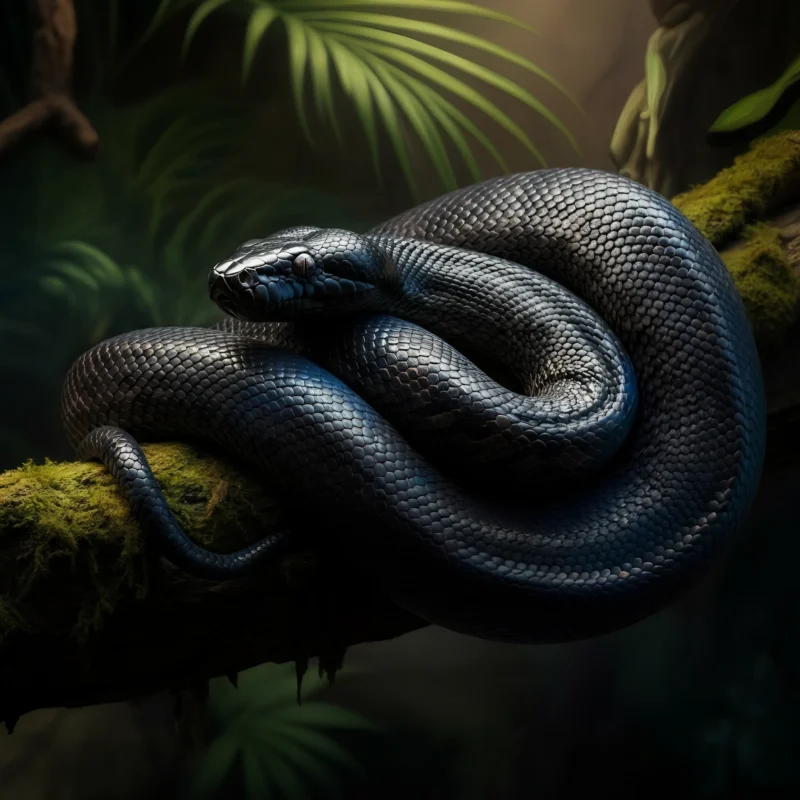
The Black Devil Boa, also known as the Black Devil Boa constrictor, is a stunning morph of the common boa constrictor (Boa constrictor imperator). What sets this species apart is its sleek, glossy black appearance, often showing a mesmerizing iridescent sheen under the right lighting. This morph is highly sought after in the reptile community for its striking aesthetic, calm temperament, and fascinating genetic background.
Primarily originating from Central and South America, this snake occupies humid and warm environments. Its adaptable nature makes it suitable for both the wild and captivity, given proper care.
Now that you understand the basics, let’s unravel the fascinating qualities of this snake, from its genetics to care requirements.
What Makes Black Devil Boas Unique?
1. Iridescent Beauty and Distinct Appearance
The hallmark of the iridescent Black Devil Boa is its shimmering, light-reflecting scales. The “devil” in its name captures the dramatic black coloration of its body, often compared to polished obsidian.
While their base color is universally black, subtle variations in the species can affect the depth and radiance of its iridescence. It’s no wonder why this morph is one of the most visually arresting boas available.
2. Black Devil Boa Genetics
The genetics of the Black Devil Boa are equally fascinating. This morph is the result of selective breeding in captivity, aimed at achieving a nearly flawless black coat. Professional breeders pay special attention to dominant and recessive traits over generations to stabilize this unique coloration.
For reptile lovers interested in breeding, maintaining strong Black Devil Boa genetics ensures healthy offspring and striking color combinations. It’s a science and an art rolled into one.
3. Black Devil Boa Size
Like most boas, the Boa constrictor is medium to large in size. Typically, these snakes reach lengths of 6 to 8 feet and may weigh between 15 to 30 pounds, depending on their sex and diet. Males are slightly smaller and more slender, while females tend to be bulkier.
Pro tip: Monitor their growth rate closely as juveniles to ensure they develop strong muscles and avoid obesity in captivity.
Are Black Devil Boas Poisonous?
One common question in the snake world is, “Are Black Devil Boas poisonous?”
The answer is no; they are not. Like all boa constrictors, the Black Devil Boa snake is non-venomous. Instead, these snakes are constrictors, meaning they rely on their muscular bodies to subdue and kill their prey.
Despite their intimidating appearance, they are generally docile and suitable for handling—a characteristic that makes them perfect for responsible pet owners.
Why Reptile Enthusiasts Love Black Devil Boas
Still wondering why people are rushing to buy a Black Devil Boa for sale? Here are some of the key reasons these snakes have a devoted following among reptile enthusiasts:
1. Low Maintenance
Compared to other exotic reptiles, these boas are relatively easy to care for. Once their enclosure is set up with the proper heat, humidity, and housing requirements, they thrive with minimal upkeep.
2. Docile Temperament
Large, powerful snakes can often intimidate novice handlers, but the Boa is known for being calm and reserved when properly socialized. With consistent human interaction, your boa’s demeanor will only improve over time.
3. Educational Purposes
Wildlife enthusiasts and educators value the Black Devil Boa for teaching others about snake conservation and biology. Holding an audience’s attention is easy when your boa boasts a dazzling iridescent sheen!
Caring for a Black Devil Boa Constrictor
1. Enclosure Requirements
Create a spacious enclosure that mimics their natural habitat. Ideal dimensions for an adult boa’s tank are 6 feet long, 2 feet wide, and 2 feet tall. Include climbing branches, hiding spots, and a substrate like coconut husk or cypress mulch.
2. Temperature and Humidity
- Maintain a basking spot of 85–90°F and an ambient temperature of 75–80°F.
- Humidity should range between 60–70%; use a misting system for accuracy.
3. Dietary Needs
These boas are carnivorous and thrive on a diet of appropriately sized rodents. Juveniles should be fed weekly, while adults can be fed every 10–14 days. Always choose prey that matches the size of the boa to avoid overfeeding.
4. Regular Cleaning
To avoid the buildup of bacteria, clean their enclosure regularly. Remove waste immediately and deep clean monthly.
How Much Does a Black Devil Boa Cost?
The Black Devil Boa price varies depending on its lineage, size, and age. Expect to pay anywhere from $500 to $1,200 for a juvenile from a reputable breeder. Adult boas or those with unique iridescent features may fetch even higher prices.
When considering a purchase, always seek breeders with excellent reviews and ethical practices.
Where to Buy a Black Devil Boa
For those considering adding this beauty to their collection, keep an eye out for reputable online platforms and breeders offering Black Devil Boa for sale or Black Devil Boa constrictor for sale. Be cautious about shady sellers—it’s worth paying more for a boa that’s been ethically bred and is in perfect health.
You can also explore general marketplaces for snakes and reptiles for sale Brazilian, but ensure you’re up to speed with any import/export laws in your country.
Black Devil Boa vs. Other Boas
When considering a Black Devil Boa, compare it to other morphs to ensure you’re selecting the species that best suits your interests. While its all-black, iridescent look is stunning, some enthusiasts may prefer morphs with patterning. Ultimately, the right boa depends on personal preference and your level of care experience.
Final Thoughts on Owning a Black Devil Boa
The Black Devil Boa constrictor is more than just a striking snake—it’s a testament to the beauty of selectively bred reptiles. For the right owner, this mesmerizing creature combines aesthetics, calm behavior, and manageability into one perfect pet.
If you’re a reptile enthusiast ready to take the plunge, finding a Black Devil Boa for sale is your first step toward owning a piece of evolutionary art. Just remember to prioritize ethical breeding standards and follow proper care practices.
By welcoming a Black Devil Boa snake into your collection, you’re not just gaining another pet—you’re joining a passionate community of snake lovers dedicated to these extraordinary reptiles.
The Fascinating World of the Black Devil Boa and Brazilian Rainbow Boas
If you’re a snake enthusiast or someone who is looking to add a unique pet to your collection, the Brazilian Rainbow Boa and the Black Devil Boa may just be what you’re looking for. These two snake species have piqued the interest of reptile lovers around the world due to their stunning colors, intriguing genetics, and a mix of captivating traits. In this blog post, we’ll explore the characteristics, care requirements, and fascinating facts about these two incredible snakes, including answers to common questions like whether Black Devil Boas are poisonous and how their genetics work.
Introduction
Boas have been popular in the exotic pet trade for many years, and for good reason—they’re not only beautiful but also relatively easy to care for. Among the many varieties of boas available, the Brazilian Rainbow Boa and the Black Devil Boa stand out due to their unique looks and striking patterns. If you’re considering purchasing one, understanding their characteristics and care needs is essential for ensuring a long and healthy life for your new pet.
In this post, we’ll break down everything you need to know about these two fascinating snakes, from their striking appearances to their temperaments and care requirements. We’ll also clear up some misconceptions, such as whether Black Devil Boas are poisonous, and delve into the genetics behind these creatures.
Brazilian Rainbow Boa for Sale
What Makes Brazilian Rainbow Boas So Special?
Brazilian Rainbow Boas (Epicrates cenchria) are famous for their iridescent, shimmering scales that reflect light in a way that is simply mesmerizing. These snakes are native to the tropical rainforests of Brazil, and they have become a favorite among reptile collectors due to their beautiful coloration and relatively gentle nature.
Key features of Brazilian Rainbow Boas:
- Iridescent Sheen: Their scales display an eye-catching rainbow-like effect, which is where they get their name from.
- Size: These boas can grow up to 6 feet long, although they usually top out around 4 to 5 feet.
- Temperament: Brazilian Rainbow Boas are known for being relatively calm, though younger snakes can be a bit more defensive.
Where to Buy Brazilian Rainbow Boas
If you’re looking to purchase a Brazilian Rainbow Boa for sale, it’s important to find a reputable breeder or pet store. Due to their popularity, these boas are commonly available in the exotic pet trade, but you should always ensure you’re buying from a source that prioritizes the health and welfare of the snakes.
Some tips for buying a healthy Brazilian Rainbow Boa:
- Check for health signs: Healthy snakes will have clear eyes, smooth scales, and no signs of skin lesions or respiratory issues.
- Ask about the snake’s history: A good breeder will be able to provide information on the snake’s lineage, diet, and any medical history.
- Ensure they’re captive-bred: Wild-caught Brazilian Rainbow Boas may carry parasites or be more stressed out, so it’s best to go with a captive-bred option.
Black Devil Boa Snake
The Mysterious and Beautiful Black Devil Boa
The Black Devil Boa (Boa constrictor imperator) is another unique species of boa that stands out due to its striking appearance. Often referred to as the “Black Devil” because of its dark, almost ominous coloration, this boa is one of the more rare and sought-after morphs of the Boa Constrictor family.
While they can range in color from dark brown to black, Black Devil Boas typically have rich, dark bodies with subtle red or orange hues along their sides, which can give them a mysterious, almost otherworldly appearance.
Distinct features of Black Devil Boas:
- Dark Coloration: Their black and dark brown scales are what set them apart from other boa species.
- Size and Build: Like other boa constrictors, Black Devils can grow large, often reaching 6 to 8 feet in length.
- Temperament: They are usually calm, but they can be a bit more skittish or defensive than other boa species, especially if not handled frequently.
Genetics Behind the Black Devil Boa
The Black Devil Boa’s genetics are what make them stand out in the boa community. These snakes are the result of specific breeding between different morphs of the Boa Constrictor imperator, which has produced the deep, rich coloring that gives them their striking look. Like other morphs in the boa family, Black Devils come with a set of genetic traits that affect their appearance, such as their dark coloration and patterning.
- Recessive Traits: The dark colors in the Black Devil Boa are often the result of recessive genetic traits. Breeding two snakes with these traits together increases the likelihood of producing offspring with the desired appearance.
- Selective Breeding: Some breeders focus on enhancing the Black Devil Boa’s color patterns, sometimes producing even darker specimens over time.
While the Black Devil Boa is still somewhat rare, its increasing popularity in the reptile community is making it more available to pet owners and collectors.
Are Black Devil Boas Poisonous?
Debunking the Myth: Black Devil Boas Are Not Poisonous
One common misconception about many boa species, including the Black Devil Boa, is that they are poisonous or venomous. The truth is that Black Devil Boas are not poisonous—in fact, no boa constrictor species is venomous. Boas, including the Black Devil Boa, use constriction to subdue their prey.
So how does a boa constrictor catch its dinner?
- Constriction: Boas are non-venomous snakes that kill their prey by wrapping around it and squeezing until it suffocates. This is a very efficient method of hunting, which allows them to take down larger prey than many other snake species.
- Teeth: Boas have sharp, backward-curving teeth that help them grab onto prey and hold it in place as they constrict.
So, while a bite from a Black Devil Boa might be painful, it will not inject venom. That said, they can still inflict serious injuries if they feel threatened or cornered, so it’s important to handle them gently and respectfully.
Care and Maintenance of Brazilian Rainbow Boas and Black Devil Boas
General Care Tips for Both Species
Caring for both Brazilian Rainbow Boas and Black Devil Boas requires a few basic principles that are essential for their health and well-being.
- Enclosure: Both snakes need large enclosures to accommodate their size and activity. A 4-foot long tank is usually a good starting point for adult boas.
- Humidity: Brazilian Rainbow Boas especially require high humidity levels to keep their skin healthy and to maintain their iridescent sheen.
- Diet: Both snakes are carnivorous and primarily eat rodents like rats and mice. Make sure to feed them appropriately sized prey every 1 to 2 weeks.
- Temperature: Maintain a gradient of temperatures in their enclosure, with a warm side (80-85°F) and a cooler side (70-75°F) to allow them to regulate their body temperature.
Handling and Interaction
While Brazilian Rainbow Boas and Black Devil Boas can be calm and gentle, it’s essential to socialize them early on, especially the younger ones. With proper handling, they can become accustomed to human interaction and may even enjoy being handled.
Conclusion
Both the Brazilian Rainbow Boa and the Black Devil Boa are fascinating snakes, each with their own unique traits and characteristics. Whether you’re drawn to the shimmering iridescence of the Brazilian Rainbow Boa or the dark, mysterious allure of the Black Devil Boa, these snakes make incredible pets for the right owners.
Remember, while they’re not poisonous or venomous, both species require proper care and attention. By understanding their genetics, habitat needs, and temperament, you can ensure that your pet boa thrives and becomes a stunning centerpiece of your reptile collection.
So, whether you’re looking to buy a Brazilian Rainbow Boa for sale or considering adding a Black Devil Boa to your family, make sure to research and plan for their needs to ensure a healthy, happy pet for years to come.
