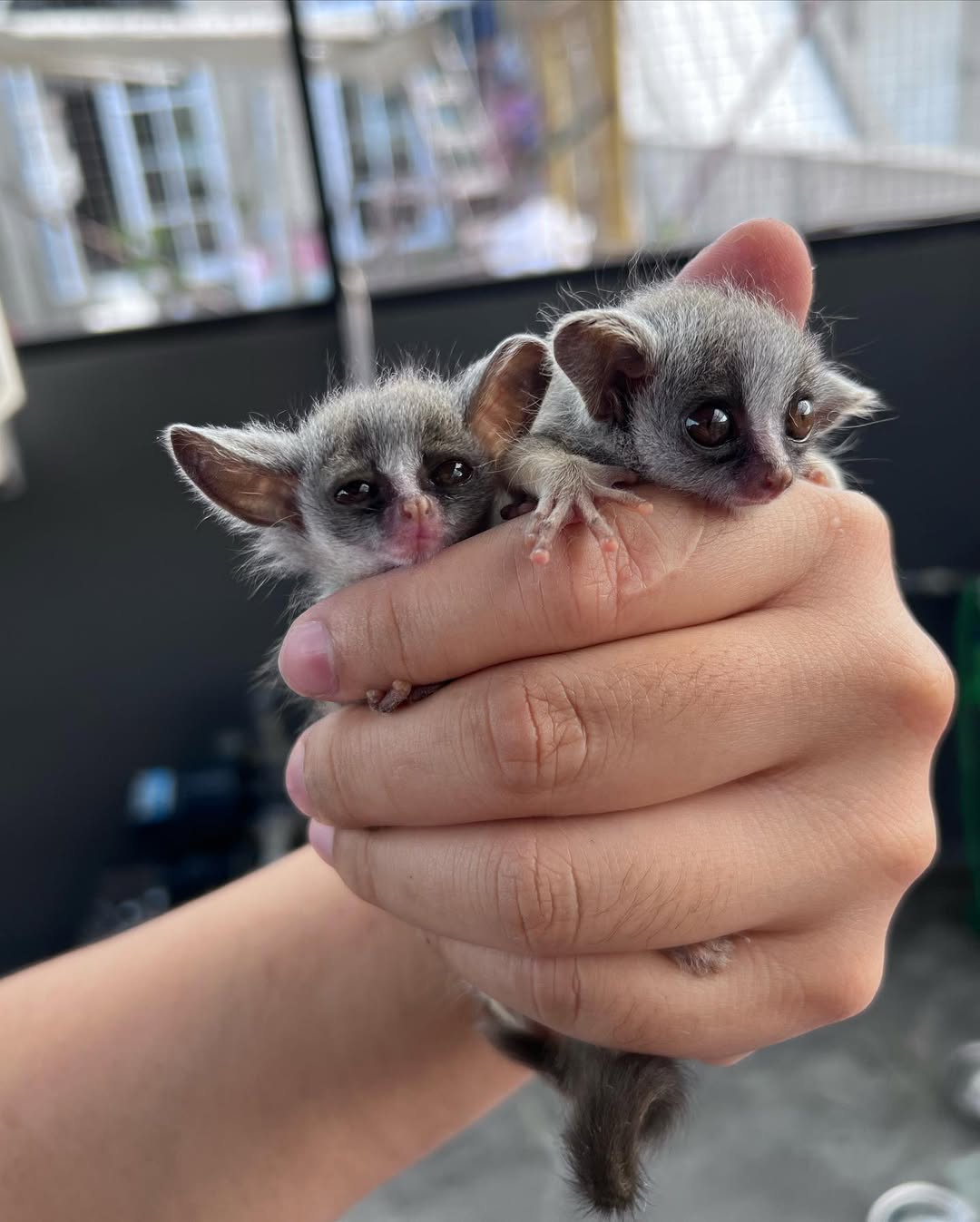

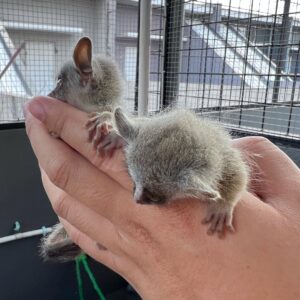
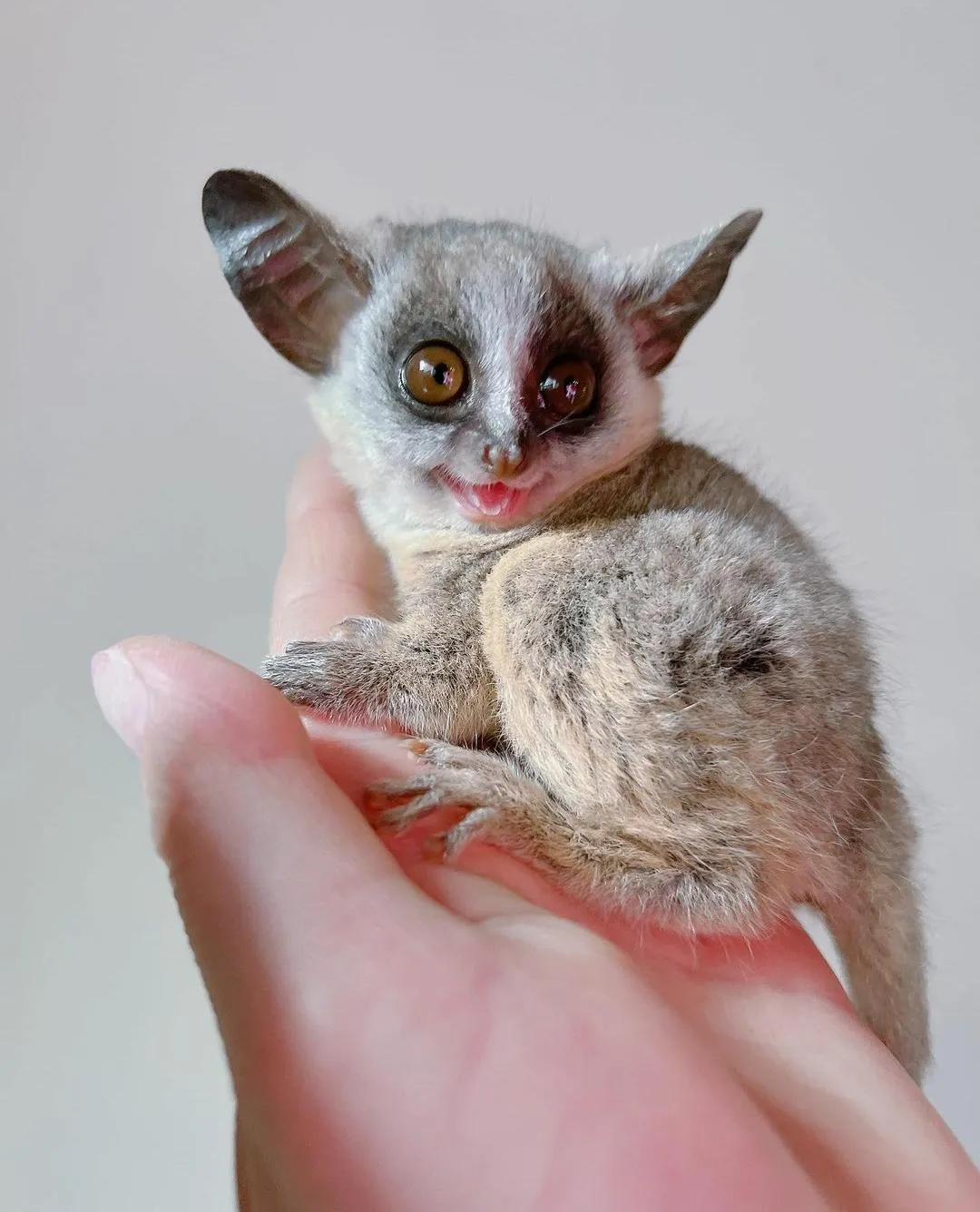
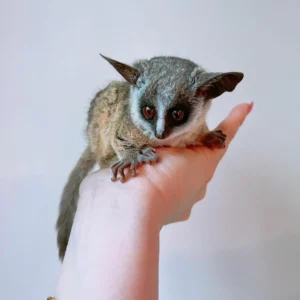
bush babies – male and female

Original price was: $1,600.00.$1,200.00Current price is: $1,200.00.
A Commitment for Life
Owning a bush baby is not like owning a cat or a dog. It requires specialized knowledge, significant financial resources, and a lifestyle that can accommodate a nocturnal, high-maintenance animal. The decision to buy bush baby should not be taken lightly. Before searching for a bush baby pet for sale, you must honestly assess if you can provide for its complex needs for its entire life.
For most people, the answer is no. Admiring these wonderful creatures through documentaries or at reputable sanctuaries is often the best and most responsible way to appreciate their unique charm without contributing to the exotic pet trade or underestimating the immense commitment they require.
Bush babies – male and female
Bush Babies: A Guide to These Unique Primates
Bush babies, also known as galagos, are small, nocturnal primates native to Africa. With their enormous eyes, bat-like ears, and agile movements, it’s easy to see why these creatures capture the hearts of animal lovers. Their unique characteristics have led many to wonder about them, particularly the differences between males and females and the realities of keeping them as pets. This guide explores everything you need to know about these fascinating animals.
The idea of owning such an exotic animal is appealing, but it comes with significant responsibilities. Many people search for a bushbaby pet for sale without fully understanding their complex needs. We will cover the distinctions between male and female bushbaby’s, their care requirements, and the important legal and ethical considerations before you decide to buy bush baby.
Understanding Bush Babies: A Closer Look
Bush babies are part of the Lorisidae family, which includes lorises and pottos. There are over 20 recognized species, with the Senegal bush baby being one of the most well-known. Their most striking feature is their large, forward-facing eyes, which provide excellent night vision. Their powerful hind legs allow them to leap impressive distances between trees, and a long tail provides balance as they navigate their arboreal habitat.
In the wild, their diet consists mainly of insects, small birds, tree gum, and fruit. They are social animals, often living in small family groups, though they typically forage for food alone. A unique behavior is “urine washing,” where they urinate on their hands and feet. This is thought to help them grip branches, mark their territory, and communicate with other bush babies.
Male vs. Female Bush Babies: Key Differences
While male and female bushbaby pet price share many physical traits, there are subtle differences in their behavior and social structure. Understanding these distinctions is crucial, especially for anyone considering them as pets.
Physical and Social Characteristics
Physically, males are often slightly larger and heavier than females, although this can be difficult to discern without a direct comparison. The most definitive way to tell them apart is by examining their genitalia.
Behaviorally, males tend to be more solitary and territorial. A dominant male’s territory may overlap with the smaller territories of several females. They use scent markings, including urine washing, to define their boundaries and communicate their presence to rivals. Females, on the other hand, are more social with one another, game fowl for sale often forming groups with their offspring. They share nests and may even engage in social grooming.
Reproduction and Lifespan
Female bush babies typically give birth to one or two babies after a gestation period of about four months. The mother carries her young in her mouth for the first few weeks, parking them on a branch while she forages for food. Young bush babies grow quickly and are usually independent within a few months.
In captivity, with proper care, bush babies can live for 10 to 16 years. This long lifespan is a significant commitment for any potential owner.
The Reality of Owning a Bush Baby
The internet is full of questions like “where to buy a bush baby” and “how much is a bush baby pet.” While it’s possible to find a bushbaby pet for sale, owning one is a demanding and costly endeavor that isn’t suitable for everyone.
Legal and Ethical Considerations
Before you even consider the bushbaby price, you must check your local laws. Owning primates is illegal in many states and cities. Where it is legal, you will likely need a special permit or license from the USDA. Reputable breeders will not sell an animal to someone in a location where it is illegal to own one. Illegally obtaining a bush baby supports unethical wildlife trafficking and can have severe legal consequences.
The True Cost of a Bush Baby
So, how much does a bushbaby cost? The initial purchase price is just the beginning. The answer to “how much is a bushbaby” can range from $1,200 to $2,000 from a licensed breeder. This initial bushbaby pet price does not include the extensive costs of proper care.
You will need:
- A Large, Specialized Enclosure: A standard cage is not enough. Bush babies need a very large, tall enclosure that allows them to leap and climb. This can cost thousands of dollars to build.
- Specialized Diet: Replicating their natural diet is complex. It involves a mix of commercial primate food, insects, fresh fruits, and supplements like gum arabic.
- Veterinary Care: Finding a veterinarian with experience in exotic primates is difficult and expensive. Routine check-ups, emergency care, and specific health issues can add up quickly.
When you factor everything in, the long-term cost far exceeds the initial bushbaby price.
Care and Behavioral Challenges
Bush babies are not domesticated animals. Their natural instincts remain strong, even when raised in a home.
- Nocturnal Activity: They are most active at night. Their loud calls and energetic movements can be very disruptive to a human household.
- Scent Marking: The “urine washing” behavior is instinctual. They will urinate on their hands and feet and spread it throughout their enclosure and your home if allowed to roam. This creates a strong, persistent odor that is difficult to manage.
- Social Needs: Bushbaby’s require a lot of social interaction. A lone bush baby can become stressed, depressed, and may develop behavioral problems. They bond strongly with their primary caretaker and can suffer from separation anxiety.
- Dietary Complexity: An improper diet can lead to serious health issues, including metabolic bone disease. Providing the right balance of nutrients is a constant challenge.
Reviews
There are no reviews yet.
Related products
galagos for sale
galagos for sale
galagos for sale
galagos for sale
Be the first to review “bush babies – male and female”