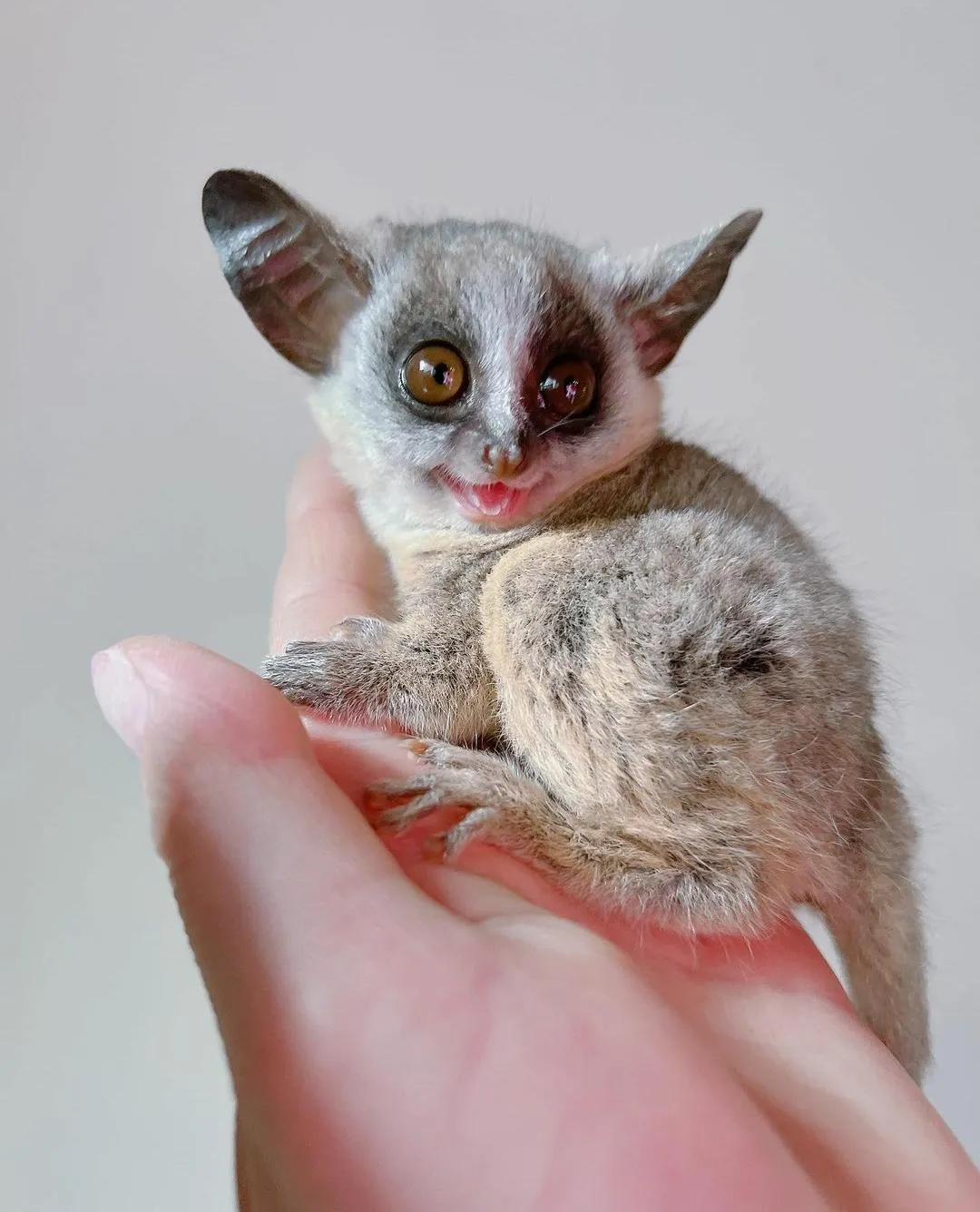
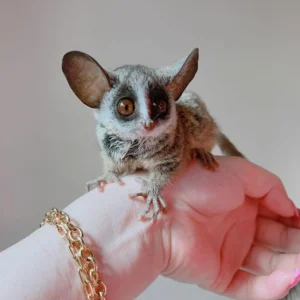
bush baby – Female
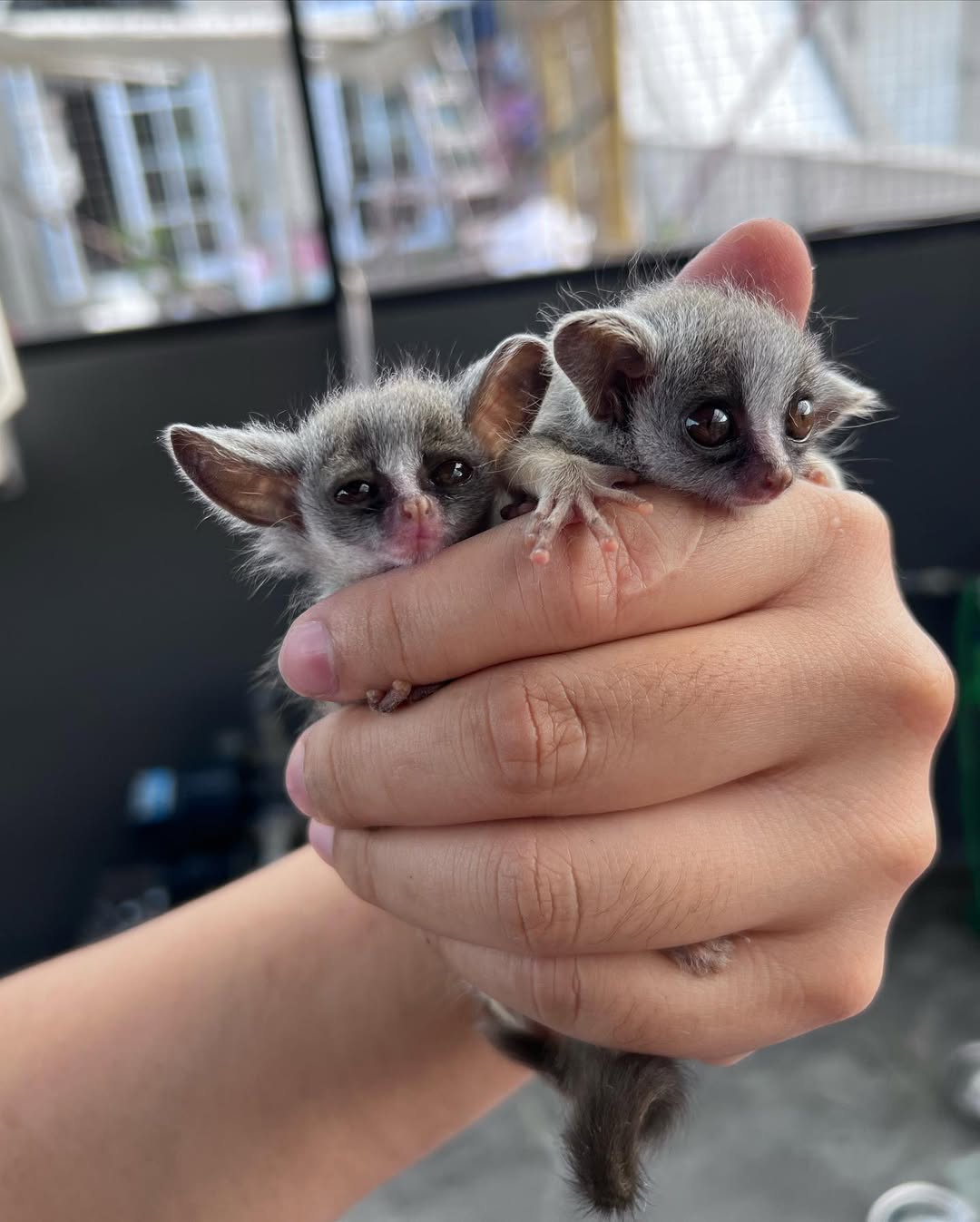
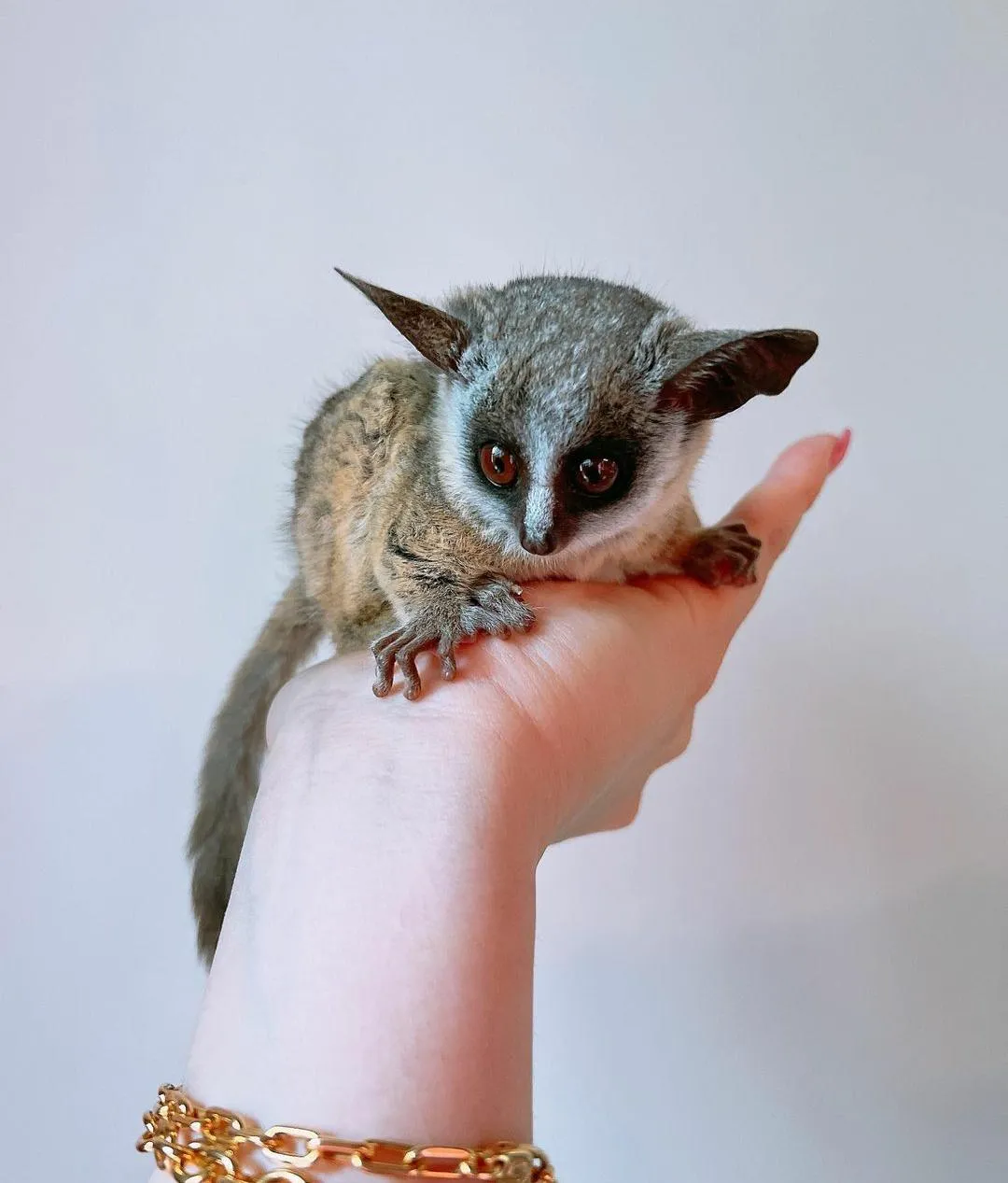
Original price was: $950.00.$600.00Current price is: $600.00.
Finding Bush Babies for Sale: What to Know
For those who are legally able and prepared to provide lifetime specialized care, finding a reputable source is paramount.
The Bush Baby Price
The cost to buy a bush baby can range from a few thousand to several thousand dollars. This initial bush baby price does not include the significant ongoing costs. You must factor in the expense of a custom-built enclosure, specialized diet, and veterinary care from an exotic animal specialist. These costs can quickly add up to many thousands of dollars over the animal’s lifespan of 12-16 years.
Female Bush Babies: A Complete Guide
The animal kingdom is full of fascinating creatures, and the bush baby is certainly one of them. These small, nocturnal primates, also known as galagos, capture attention with their large eyes, agile movements, and unique vocalizations. While much is known about the species in general, this guide focuses specifically on the female bush baby, exploring her unique characteristics, behaviors, and what to consider before thinking about a bush baby pet.
We will cover the world of the female bush baby animal, from her life in the wild to the complexities of her care in captivity. Understanding these details is crucial for anyone enchanted by these creatures, especially those exploring listings for a bush baby for sale.
What Makes Female Bush Babies Unique?
Female bush babies share many traits with their male counterparts but have distinct roles and biological characteristics, particularly concerning social structure and reproduction. They are native to sub-Saharan Africa, thriving in forests and woodlands where they can leap impressive distances between trees.
Physical Characteristics
A female bush baby is a small primate, typically weighing between 0.5 and 2.5 pounds, depending on the specific species. Her most noticeable features are her enormous, forward-facing eyes, which provide exceptional night vision. Her large, foldable ears can move independently to pinpoint the faintest sounds of insects, her primary food source. A long, bushy tail provides balance as she navigates the treetops. gamefowl for sale
Social Behavior and Hierarchy
Bush babies often live in small family groups. While males tend to be more solitary or roam between territories, females often form the core of these social units. They establish and defend a home territory, which they share with their offspring. Female bush babies communicate through a variety of calls, including the loud, baby-like cry that gives the “baby bush” its name. They also use scent marking, urinating on their hands and feet to leave a trail as they move through their environment.
The Life Cycle of a Female Bush Baby
Reproduction is a key area where female bush babies exhibit unique behaviors. Their maternal instincts and the way they raise their young are central to the survival of the species.
Mating and Gestation
Females typically reach sexual maturity earlier than males, often around 10 months of age. Mating season can vary depending on the species and location. After a gestation period of approximately four months, a female will give birth to one or two, and occasionally three, infants. She prepares a nest in a tree hollow or a thick tangle of vegetation to keep her young safe.
Raising a Baby Bush
A mother bush baby is incredibly nurturing. For the first few weeks, the infants are completely dependent on her. She carries them in her mouth when moving between nests and leaves them safely tucked away while she forages for food. The young cling to her fur as they get older. She nurses them for several months and teaches them essential survival skills, such as how to hunt for insects and navigate the canopy. This strong maternal bond is a defining feature of the female bush baby.
The Idea of a Bush Baby Pet
The unique appearance and captivating nature of bush babies have led to a growing interest in keeping them as pets. Many people see a listing for a bush baby for sale and become intrigued. However, it’s vital to understand the significant challenges and ethical questions involved before you decide to buy a bush baby.
Are Bush Babies Good Pets?
While they may look cute, bush babies are wild animals with complex needs that are difficult to meet in a domestic setting. They are nocturnal, meaning they are most active at night when their owners are trying to sleep. Their loud calls can be disruptive. As a potential owner, you must consider if you can provide a suitable environment for a bush baby pet.
These animals require a very large, tall enclosure with plenty of branches for climbing and leaping. Their diet is specific, consisting mainly of insects, fruits, and tree gum, which can be hard to replicate. They also have specialized social needs that are often unmet in a human home, potentially leading to stress and behavioral problems.
Legal and Ethical Considerations
If you’re asking, “where can I buy a bush baby?”, the first step is to check your local laws. Owning a primate like a bush baby is illegal in many states and countries. Where it is legal, it often requires special permits and licenses.
The source of the animal is another major concern. The demand for bush babies for sale fuels both legal breeding and illegal trafficking. Animals captured from the wild suffer immense trauma during capture and transport. Even captive-bred animals face challenges when raised in environments that don’t meet their complex needs. The bush baby price can be high, but the true cost to the animal’s welfare can be much higher.
Choosing a Reputable Breeder
If you are set on getting a bush baby pet, thorough research into breeders is non-negotiable. A responsible breeder will have extensive knowledge about the species and will be transparent about their care requirements. They should provide a clean, enriching environment for their animals and be willing to answer all of your questions. Be wary of sellers who offer low prices or seem eager to make a quick sale without vetting you as a potential owner. The question should not just be “where can I buy a bush baby?”, but “where can I find a responsible, ethical source?”
A Creature Best Admired in the Wild
Female bush babies are remarkable animals with intricate social lives and specialized needs. From their nurturing maternal instincts to their incredible agility, they are perfectly adapted to their natural forest habitat. While the idea of a bush baby pet is tempting, the reality is that they are not suited for domestic life. The complexities of their care, legal restrictions, and ethical concerns make ownership a serious undertaking.
Instead of looking for bush babies for sale, consider supporting conservation efforts that protect these primates and their habitats. Appreciating this amazing bush baby animal from a distance ensures both their well-being and the preservation of their place in the wild.
Reviews
There are no reviews yet.
Related products
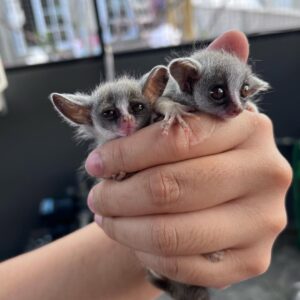
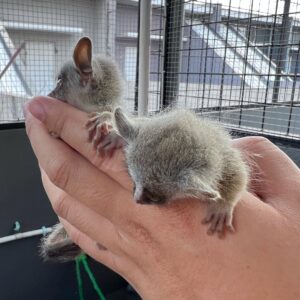
galagos for sale
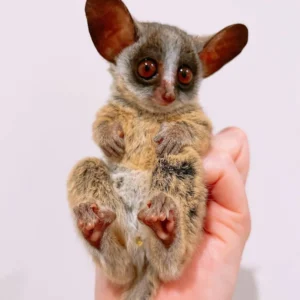
galagos for sale
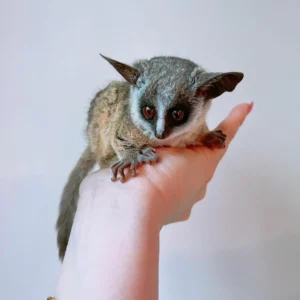
galagos for sale
galagos for sale
Be the first to review “bush baby – Female”