Elongated Tortoise for Sale
$169.00
The Elongated Tortoise (scientific name Indotestudo elongata) is a fascinating and visually striking species known for its distinctive long, narrow shell. Here are the key characteristics of the elongated tortoise:
1. Appearance
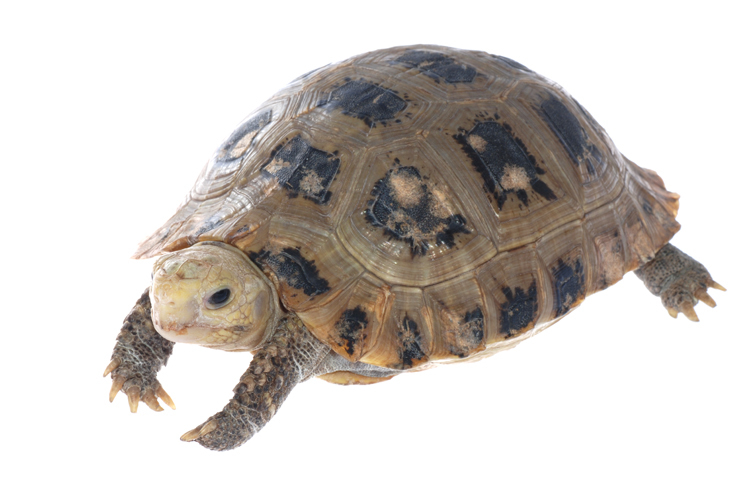
- Shell: The elongated tortoise’s shell is streamlined, with a smooth, slightly domed shape that is long and narrow, making it easily identifiable. The shell has a yellowish to brown coloration with darker patterns or stripes running along its length. The coloration can vary slightly, but its distinct shape is always a standout feature.
- Size: Adult elongated tortoises typically reach lengths between 12 and 15 inches (30 to 38 cm). They usually weigh between 10 and 15 pounds (4.5 to 6.8 kg). Males tend to be slightly smaller than females.
- Head: It has a small, rounded head with a slightly pointed snout. Their eyes are often bright, giving them an alert expression.
2. Habitat
- Native to Southeast Asia, the elongated tortoise can be found in tropical forests and grasslands, typically in regions with high humidity, such as India, Sri Lanka, Myanmar, Thailand, and parts of China.
- In captivity, they thrive in large enclosures with access to both warm basking areas and shaded spots, mimicking their natural environment.
3. Behavior
- Docile Nature: Known for their calm and peaceful temperament, elongated tortoises are not aggressive. They are often shy but will become accustomed to human interaction with time.
- Solitary: In the wild, they are generally solitary, only coming together to mate. They spend much of their time foraging and exploring their environment.
4. Diet
- Herbivorous: The elongated tortoise is primarily herbivorous, feeding on a variety of leafy greens, fruits, flowers, and occasional vegetables. Their diet consists of:
- Leafy greens like dandelion greens, collard greens, and kale.
- Fruits like berries, melons, and apples.
- Flowers and leaves found in their natural habitat.
- Occasional Protein: In captivity, they may also eat insects or other small protein sources, but these should only make up a small portion of their diet.elongated tortoise diet
5. Lifespan
- Longevity: The elongated tortoise can live for several decades, with an average lifespan of 30 to 40 years in captivity, provided they are given proper care and attention.
6. Care Requirements
- Temperature: They require a warm environment with a temperature range of 75°F to 85°F (24°C to 29°C) and a basking area around 95°F (35°C).
- Humidity: A moderate humidity level of 50-70% is essential for proper health and digestion.
- UVB Lighting: To maintain strong bones and a healthy shell, elongated tortoises need exposure to UVB light for 10-12 hours daily.
7. Conservation Status
- The elongated tortoise is classified as vulnerable by the International Union for Conservation of Nature (IUCN) due to habitat destruction, illegal pet trade, and overcollection. As a result, responsible breeding and conservation efforts are critical to protecting the species.
8. Reproduction
- Egg-Layers: Like all tortoises, elongated tortoises are egg-layers. They typically lay 3 to 6 eggs per clutch, which hatch after an incubation period of 3 to 4 months, depending on environmental conditions.
In summary, the elongated tortoise is a fascinating, gentle species that requires a well-maintained, warm, and humid environment. With its unique appearance, calm behavior, and herbivorous diet, it makes for a wonderful pet for reptile enthusiasts who are willing to invest in the care and attention required to keep them happy and healthy for many years.
Elongated Tortoise for Sale
Elongated Tortoise for Sale – The Perfect Pet for Reptile Enthusiasts
Looking to add a unique and captivating reptile to your collection? Elongated Tortoise for sale is an excellent choice for those seeking an easy-to-care-for yet beautiful tortoise species. Known for its sleek, elongated shape and striking appearance, this tortoise is a delightful addition to any reptile enthusiast’s habitat.
Key Features and Characteristics of the Elongated Tortoise
Distinctive Appearance
The elongated tortoise gets its name from its narrow, streamlined shell that can grow up to 12-15 inches in length. With a vibrant yellowish-brown shell marked by dark stripes, this tortoise species has a naturally elegant appearance. Its long limbs and small head make it a unique sight, and it is often admired for its graceful presence.
Elongated Tortoise Size
Adult elongated tortoises typically reach 12-15 inches in length and weigh between 10-15 pounds, making them a manageable size for both novice and experienced tortoise keepers. Males tend to be slightly smaller than females, but both can live up to 50 years in captivity with proper care.elongated tortoise size
Elongated Tortoise Care
When purchasing an elongated tortoise, it’s important to understand its specific care needs to ensure a long and healthy life: elongated tortoise care
- Habitat: Provide a spacious enclosure with both basking areas and shaded spots. They need a temperature range of 75-85°F (24-29°C) with a basking area of 95°F (35°C).
- Humidity: Maintaining a humidity level between 50-70% is essential for their overall health, as it aids in digestion and proper shell development.
- UVB Lighting: Ensure that they receive UVB light for 10-12 hours a day, promoting healthy bone growth and shell development.
Elongated Tortoise Diet
The elongated tortoise diet primarily consists of:
- Leafy greens: Such as dandelion greens, collard greens, and mustard greens.
- Fruits and vegetables: Apples, melons, and bell peppers are also suitable for this herbivorous species.
- Occasional protein: Small amounts of protein from insects or worms can be offered, but their diet should be mostly plant-based. Be sure to provide fresh water daily to keep your tortoise hydrated.
Why Choose an Elongated Tortoise?
- Longevity: With proper care, elongated tortoises can live for several decades, making them a long-term companion.
- Friendly and Calm Nature: Known for their docile and gentle temperament, they can be a joy to interact with, especially if you provide them with a stable, well-maintained environment.
- Rare and Unique: Owning an elongated tortoise offers a rare chance to care for a species with distinct features and a fascinating personality.
Purchase Your Elongated Tortoise Today
If you’re looking for a reliable and healthy elongated tortoise for sale, look no further. Our tortoises are well-cared for and come with all the information you need to ensure they thrive in their new home. Whether you’re a first-time tortoise owner or an experienced reptile keeper, the elongated tortoise is a perfect fit for your collection.
Don’t miss out—buy your elongated tortoise today and start enjoying the charm and beauty of this exotic species.elongated tortoise
elongated tortoise, elongated tortoise care, elongated tortoise size,
Reviews
There are no reviews yet.
Related products

Exotic Tortoises For Sale
$150.00
Exotic Tortoises For Sale
$199.00
Sale!

Tortoises
Original price was: $300.00.$249.99Current price is: $249.99.
Exotic Tortoises For Sale
$199.00
Sale!
Tortoises
Original price was: $300.00.$249.99Current price is: $249.99.

Exotic Tortoises For Sale
$149.00

Exotic Varieties For Sale
$40.00

Exotic Varieties For Sale
$100.00
Be the first to review “Elongated Tortoise for Sale”