
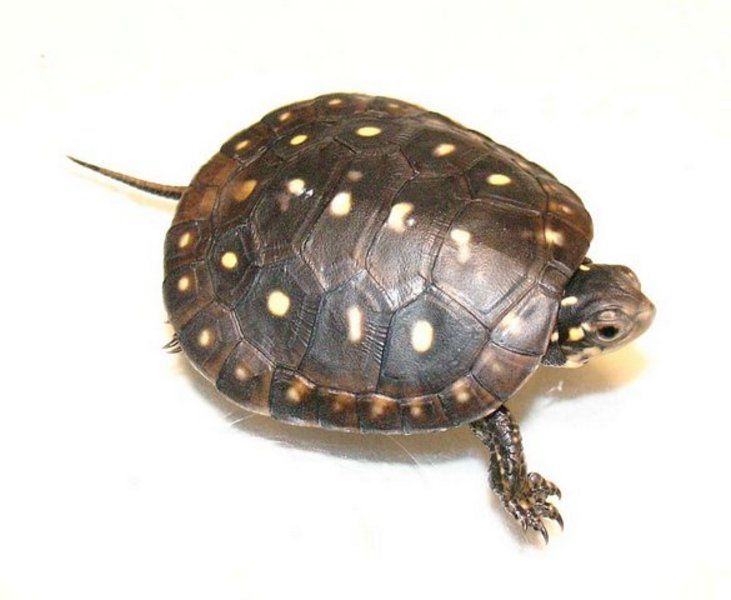
Florida Mud Turtle
Original price was: $249.99.$199.99Current price is: $199.99.
Characteristics of the Florida Mud Turtle
The Florida Mud Turtle (Kinosternon subrubrum steindachneri) is a small, semi-aquatic species native to the wetlands of Florida. Known for its hardy nature and intriguing behaviors, this turtle is a favorite among reptile enthusiasts. Below are its defining characteristics:
Physical Features
- Compact Size:
- Adult Kinosternon subrubrum steindachneri are small, typically measuring 3–5 inches in length, making them easy to house in smaller enclosures.
- Shell Design:
- The carapace (upper shell) is smooth and oval-shaped, with colors ranging from dark brown to black.
- The plastron (bottom shell) is yellowish to tan, often with darker patterns.
- Head and Skin:
- The head is broad and slightly pointed, with yellow or cream-colored lines or markings.
- The skin is dark gray to black, complementing its shell.
Behavior and Temperament
- Calm and Easygoing:
- Florida Mud Turtles are generally docile and adapt well to captivity, making them an excellent choice for beginners.
- Burrowing Instincts:
- They love to burrow into soft substrates or hide under aquatic vegetation, mimicking their natural behaviors.
- Shallow Swimmers:
- These turtles prefer shallow water and are not strong swimmers, relying more on walking along the bottom.mud turtle florida
Habitat Preferences
- Semi-Aquatic Lifestyle:
- They thrive in environments that combine water and land, such as shallow ponds, marshes, and ditches.
- Temperature Requirements:
- Water temperature: 75–80°F (24–27°C).
- Basking area: 85–90°F (29–32°C).
- Humidity:
- They require high humidity levels, especially if housed in a semi-terrestrial setup.
- Substrate and Decor:
- Soft substrates like sand or mud, along with hiding spots such as logs and aquatic plants, are essential.
Dietary Habits
- Omnivorous Diet:
- They consume a mix of animal protein and plant matter.
- Common foods include worms, insects, snails, shrimp, and commercial turtle pellets.
- Leafy greens and aquatic vegetation are also important for a balanced diet.
- Feeding Behavior:
- They are opportunistic feeders, foraging actively for food in shallow waters.
Lifespan
With proper care, the Florida Mud Turtle can live 20–30 years or more, making it a long-term companion for dedicated keepers.
Unique Traits
- Hinged Plastron:
- The hinged plastron allows the turtle to partially close its shell, offering protection from predators.
- Resilience:
- They are highly adaptable and can thrive in a range of environments, from wetlands to man-made ponds.
- Native Habitat:
- This species is endemic to Florida, giving it a unique connection to the region’s rich biodiversity.
The Florida Mud Turtle is a delightful, hardy species that thrives in well-maintained habitats. Its manageable size, fascinating behavior, and ease of care make it a perfect choice for reptile enthusiasts of all experience levels.
HERE ARE SOME HIGHLIGHTS:
- Originating Out Of South Eastern United States Mainly Being Found In Florida
- Adults Will Average In 4 – 6 Inches In Total Length
- With Proper Care These Turtles Can Live 20-30+ Years In Captivity
- These Are Bottom Feeders That Prefer Shallow Water
- This Is A Smaller Species That Can Be Housed In An Indoor Setup Their Entire Live
- Kinosternon steindachneri
- Captive Bred
- Approximately 3 – 4 Inches In Shell Length
- Small Species Of Turtle With A Big Over-sized Head
- Feeding On Turtle Pellets, Freeze Dried Insects And Small Feeder Fish Regularly
Florida Mud Turtle
The Florida Mud Turtle (Kinosternon subrubrum steindachneri) is a fascinating and low-maintenance species, perfect for beginners and experienced reptile keepers alike. Native to Florida’s wetlands, this small aquatic turtle is loved for its adaptability, charming behavior, and compact size. If you’re looking for a resilient and easy-to-care-for turtle, the Florida Mud Turtle is an excellent choice.
Why Choose a Florida Mud Turtle?
- Small and Manageable: Kinosternon subrubrum steindachneri grow to a modest size of 3–5 inches, making them perfect for smaller aquariums or enclosures.
- Hardy Nature: These turtles are incredibly resilient and thrive in a variety of aquatic setups, making them ideal for first-time turtle owners.
- Unique Appearance: With their dark, smooth shells and distinctively shaped heads, Florida Mud Turtles are as intriguing as they are adorable.
Behavior and Personality
- Calm and Easygoing: These turtles are known for their docile nature and adapt well to captivity.
- Burrowing and Hiding: Kinosternon subrubrum steindachneri love to burrow into the substrate or hide under aquatic plants, displaying fascinating natural behaviors.
- Interactive: Over time, they can become accustomed to their keeper, often coming out of hiding during feeding time.
Habitat Needs
- Aquatic Setup: Kinosternon subrubrum steindachneri thrive in shallow water with soft substrates like sand or mud, mimicking their natural wetland habitat.
- Temperature: Water temperature should be maintained between 75–80°F, with a basking area of 85–90°F.
- Lighting: Provide UVB lighting to promote healthy shell growth and prevent metabolic bone disease.
Dietary Preferences
As omnivores, Florida Mud Turtles enjoy a varied diet that includes:
- Commercial turtle pellets.
- Protein sources like insects, shrimp, and small fish.
- Leafy greens for balance.
Where to Find Florida Mud Turtles for Sale?
If you’re searching for mud turtles for sale, visit ReptileShopNow.com to find healthy and ethically sourced Florida Mud Turtles. We provide detailed care guides and live arrival guarantees, ensuring a smooth experience for new and experienced keepers alike.florida mud turtles
Why Buy From ReptileShopNow.com?
- A wide selection of mud turtles, including the sought-after Florida Mud Turtle.
- Competitive pricing and high-quality turtles.
- Trusted nationwide shipping with exceptional customer support.
Get Your Florida Mud Turtle Today!
Add the charm of a Florida Mud Turtle to your home and enjoy the company of one of nature’s hardiest and most engaging reptiles.mud turtles for sale
Explore the best selection of turtles at ReptileShopNow.com – your trusted source for high-quality reptiles, including the incredible Florida Mud Turtle.
Reviews
There are no reviews yet.
Related products
Turtles

Turtles

Turtles


Turtles
Turtles
Turtles
Turtles
Be the first to review “Florida Mud Turtle”