

Russian Tortoise For Sale

$150.00
Characteristics of a Russian Tortoise
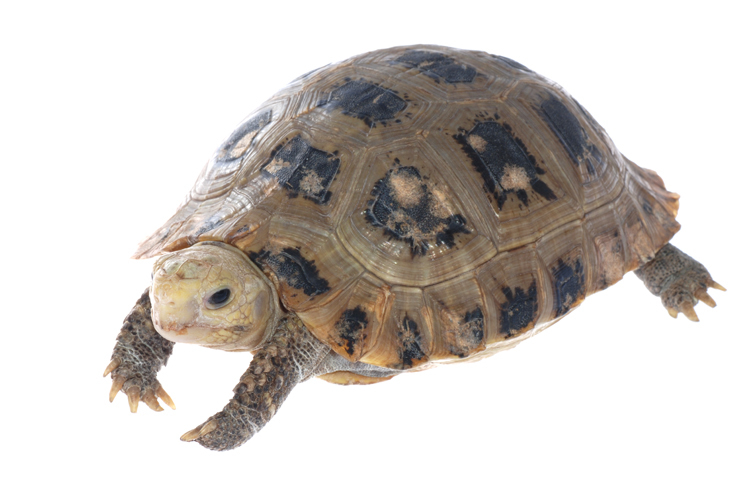
Russian tortoises (Testudo horsfieldii) are small, hardy reptiles known for their distinctive appearance, docile temperament, and adaptability to various living conditions. Here are the key characteristics of a Russian tortoise:
1. Size and Appearance
- Small Size: Russian tortoises are among the smaller tortoise species, typically growing between 6 to 10 inches in length. This makes them suitable for smaller living spaces compared to other tortoises.
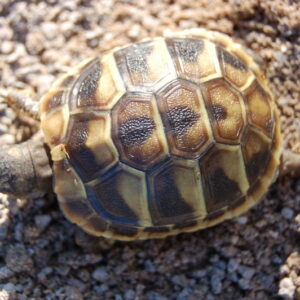
- Shell: They have a domed, brown to yellowish-brown shell with dark markings, often forming a striking pattern that adds to their visual appeal. Their shells are relatively smooth compared to other tortoises, and they have strong, well-developed scutes (the plates on the shell).
- Coloration: Their skin color is usually a light brown or tan, with a slightly darker hue on the head and limbs. Some tortoises may display a yellowish or olive tint on the shell.
2. Temperament
- Docile and Calm: Russian tortoises are known for being friendly, calm, and relatively easygoing. They are often gentle, making them great pets for families, children, and first-time tortoise owners.
- Independent: While they are social, they are also quite independent, enjoying their own space and occasionally seeking solitude. They are not overly demanding of attention but do appreciate being handled in moderation.
3. Lifespan
- Long Lifespan: Russian tortoises can live for 40 to 50 years with proper care, making them a long-term commitment. Their longevity makes them a rewarding pet for those who are ready to provide a lifetime of care.
4. Habitat and Care
- Versatile Habitat: Russian tortoises can thrive both indoors and outdoors, as long as their habitat is warm, dry, and secure. Indoors, they require an enclosure with proper lighting, heating, and humidity. Outdoors, they enjoy a dry, sunny climate with access to shelter.
- Temperature: These tortoises prefer moderate to warm temperatures, ideally between 75°F and 85°F (24°C to 29°C). They need a basking spot with higher temperatures to regulate their body heat.
5. Diet
- Herbivorous Diet: Russian tortoises are primarily herbivores, feeding on a variety of leafy greens, grasses, and plants. They also enjoy some fruits and vegetables, but their diet should be high in fiber and low in protein to keep them healthy.
- Water: They do not require a lot of water but should have access to fresh water at all times. They can also be given occasional baths to help with hydration.baby russian tortoise for sale
6. Activity and Behavior
- Active and Curious: Russian tortoises are known to be active, particularly during the day. They enjoy roaming their enclosure, climbing over obstacles, and foraging for food. They also have a curious nature, often exploring their surroundings.
- Brumation: Russian tortoises go through a period of brumation (a form of hibernation) during the colder months, where they become less active and may not eat or drink for weeks at a time. This is a natural process and should not be confused with illness.russian tortoise hatchling for sale
7. Health and Hardiness
- Hardy Species: Russian tortoises are generally hardy and resilient, able to adapt to a variety of climates and environments. They can tolerate some fluctuations in temperature but should be kept away from freezing conditions, as they are not well-suited to extreme cold.
- Common Health Issues: Like all reptiles, Russian tortoises can suffer from health issues like respiratory infections, shell rot, or parasites, so it is important to monitor their diet, habitat, and hygiene.baby russian tortoise for sale
Conclusion
Russian tortoises are charming, hardy reptiles with a calm disposition and a manageable size, making them great pets for beginners and experienced tortoise owners alike. They are long-lived, relatively low-maintenance, and can thrive in a variety of environments, provided they have a proper habitat and diet. Their affectionate nature and small size make them a perfect choice for those looking for a reptile companion!
Russian Tortoise For Sale
Russian Tortoise for Sale – Affordable, Healthy, and Adorable Pets
Are you looking to buy a Russian tortoise? Look no further! At ReptileShopNow.com, we offer healthy Russian tortoises for sale, including baby Russian tortoises for sale, Russian tortoise hatchlings, and a variety of other sizes. Whether you’re searching for a Russian tortoise for sale near me or looking to add one of these hardy reptiles to your family, we have you covered.
Why Choose a Russian Tortoise?
Russian tortoises (Testudo horsfieldii) are one of the most popular and resilient tortoise species in the pet trade. Known for their small size, friendly nature, and ease of care, they are perfect for both first-time and experienced tortoise owners. Here’s why:
1. Perfect Size for Small Spaces
Russian tortoises are one of the smaller tortoise species, growing to an average length of 6 to 10 inches. This makes them ideal for anyone with limited space but still looking to care for a tortoise. Their compact size means they can thrive in smaller enclosures without sacrificing their quality of life.russian tortoise hatchling for sale
2. Long Lifespan
These tortoises have a long lifespan of 40 years or more when cared for properly. Investing in a Russian tortoise for sale means you’re gaining a long-term companion that will bring joy to your home for decades.
3. Hardy and Low-Maintenance
Russian tortoises are well-known for their adaptability and ability to live in a variety of environments. They do well in both indoor and outdoor enclosures, making them suitable for a variety of climates. They are also easy to feed, thriving on a diet of leafy greens, vegetables, and fruits, while requiring minimal water and care.
4. Gentle and Docile Nature
Unlike some other species, Russian tortoises are calm, gentle, and rarely aggressive, making them ideal pets for children and adults alike. They enjoy being handled, but they are independent and don’t require constant attention, which is perfect for busy individuals or families.russian tortoises for sale
Russian Tortoise Hatchlings for Sale
If you are interested in starting with a young pet, we also have Russian tortoise hatchlings for sale. These tiny tortoises are the perfect addition to your family. They are easy to raise and grow up to become strong, healthy adults. Starting with a hatchling allows you to build a bond with your pet from the very beginning and raise it according to your preferences.russian tortoise for sale near me
Why Buy from ReptileShopNow?
- Healthy, Quality Tortoises: All of our Russian tortoises for sale are hand-selected, healthy, and properly cared for.
- Affordable Prices: We offer competitive prices for Russian tortoises, baby Russian tortoises, and hatchlings, making it easy for you to find your perfect pet.
- Easy Shipping: Whether you’re looking for a Russian tortoise for sale near me or need delivery to your doorstep, we make shipping fast and reliable.
- Expert Advice: Our team is always here to provide care tips and advice to ensure your new Russian tortoise stays happy and healthy.baby russian tortoise for sale
Conclusion
If you’re ready to add a delightful Russian tortoise to your family, visit ReptileShopNow.com today. We offer a wide selection of Russian tortoises for sale, including baby Russian tortoises for sale and Russian tortoise hatchlings that are perfect for beginner and expert reptile owners alike. Browse our listings and find the perfect companion today!
Reviews
There are no reviews yet.
Related products

Exotic Varieties For Sale

Tortoises

Exotic Varieties For Sale
Exotic Tortoises For Sale
Exotic Tortoises For Sale

Exotic Tortoises For Sale

Exotic Tortoises For Sale

Tortoises
Be the first to review “Russian Tortoise For Sale”